
Product introduction
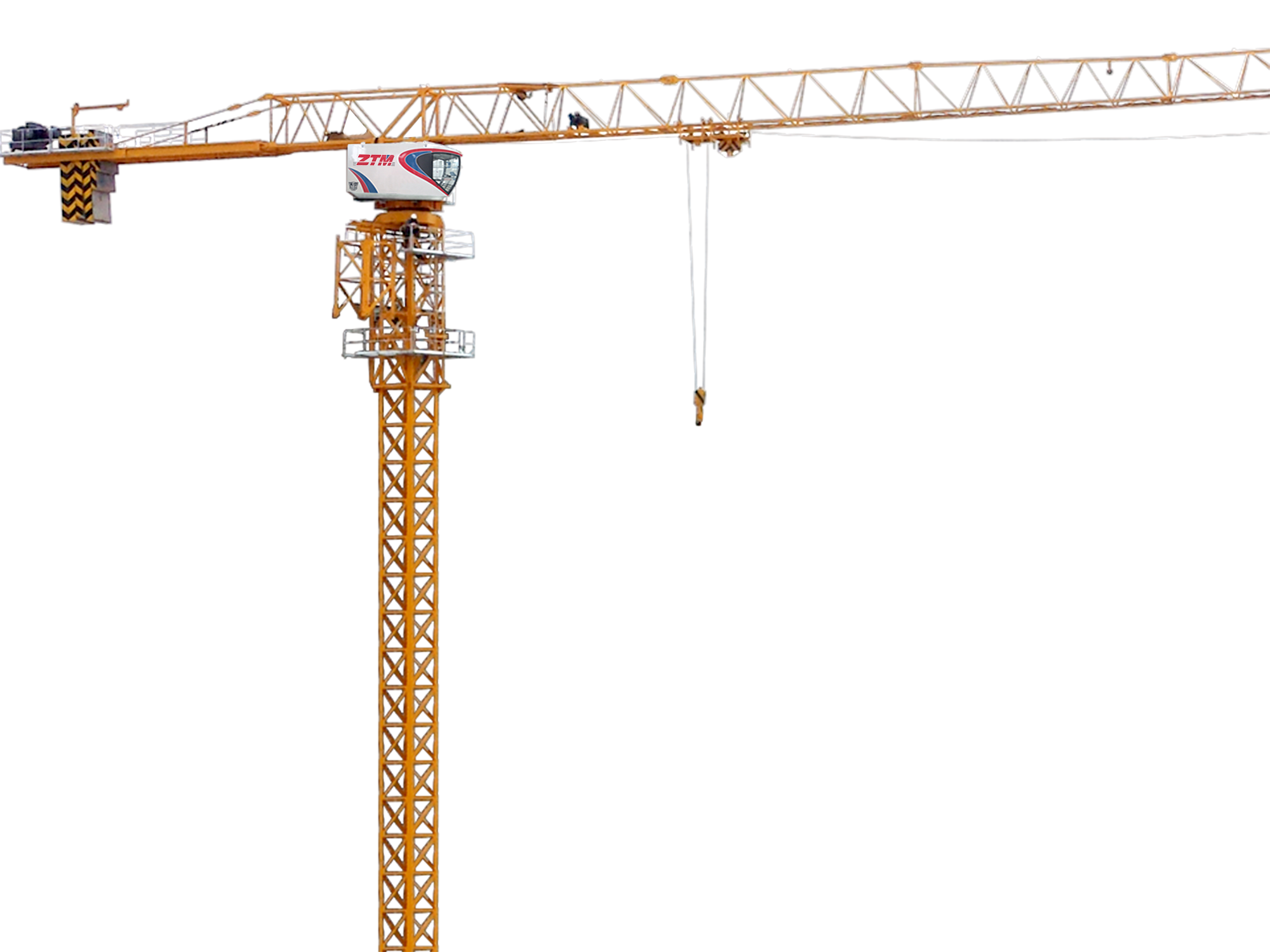
ZTT136(ZTT6013)
Transform high-rise construction efficiency with this advanced newest intelligent tower crane for high-rise construction, engineered to provide precise lifting operations with intelligent control systems for modern urban development projects. The ZTT136 (ZTT6013) model delivers a maximum load capacity of 6 tons with a tip load of 1.3 tons, featuring an impressive 60-meter jib radius and 45-meter independent height that enables comprehensive coverage across construction sites. This reliable quality intelligent tower crane for high-rise construction utilizes standardized mast sections including L46A1 spliced configurations and 1.6×1.6×2.8-meter fixed sections that provide flexible height adaptation as building projects progress upward. Construction managers and crane operators appreciate the intelligent monitoring systems that enhance safety while optimizing load placement accuracy in congested urban environments where precision is paramount.
The crane's design incorporates both robust performance and operational intelligence. The substantial jib length combined with precise load management capabilities allows for efficient material placement across expansive work areas while maintaining stability through sophisticated counterweight and structural systems. This dependable quality intelligent tower crane for high-rise construction features integrated safety protocols and performance optimization technology that reduces operator workload while maximizing productivity. The combination of substantial reach, intelligent controls, and adaptable configuration makes this newest intelligent tower crane for high-rise construction particularly valuable for skyscraper projects, large commercial developments, and dense urban construction sites where space constraints and height requirements demand equipment that balances powerful performance with precision operation.
Flat top tower cranes are specialized construction equipment designed to meet the unique demands of high-rise building projects. Unlike traditional luffing or top-slewing tower cranes, flat top cranes feature a compact design without a prominent head or jib mast extension, making them easier to install, dismantle, and operate in urban construction sites with limited space. Their design allows for efficient material handling and superior stability at great heights, which is essential for modern skyscraper and high-rise construction projects.
One of the primary advantages of flat top tower cranes is their high lifting capacity combined with a stable structure. These cranes can lift heavy loads to significant heights, making them suitable for transporting concrete, steel, prefabricated components, and other construction materials to elevated work areas. The flat top design minimizes the height required for erection, allowing the crane to be installed in congested urban environments where overhead space is restricted. This feature also enables quicker assembly and disassembly, reducing construction downtime and labor costs.
Flat top tower cranes are highly versatile and can be adapted for various project needs. They are available in multiple configurations with variable jib lengths, mast heights, and load capacities. Modern flat top cranes often include advanced control systems, which allow operators to precisely position loads with minimal swing, improving safety and efficiency on the construction site. These cranes can also be equipped with climbing frames, enabling them to “grow” with the building as additional mast sections are added, maintaining stability and reach as the structure rises.
Safety is a critical consideration in the design and operation of flat top tower cranes. High-quality cranes feature reinforced mast structures, anti-collision systems, overload protection, and advanced braking mechanisms to ensure safe lifting and operation even under adverse weather conditions. The flat top design reduces the need for complex counterweights and headgear, simplifying maintenance while maintaining high structural integrity.
In high-rise construction, flat top tower cranes significantly improve workflow efficiency. By enabling quick and reliable lifting of materials directly to upper floors, they reduce manual handling and speed up construction timelines. They also optimize site space, allowing other equipment and workers to operate safely around the crane’s base. With advanced monitoring and automated features, flat top cranes ensure precision, reduce the risk of accidents, and provide operators with enhanced control over complex lifting tasks.
In summary, flat top tower cranes are indispensable tools for high-rise construction, offering a combination of high lifting capacity, stability, compact design, and operational efficiency. Their versatility, safety features, and adaptability make them ideal for modern urban construction projects, enabling engineers and builders to complete tall structures efficiently and safely.
Company Video
We welcome customers at home and abroad to visit our factory to reach long-term cooperation and create success together.

FAQ
What is the main use of a tower crane?
Tower cranes are mainly used in high-rise construction, especially when there is a need to vertically lift heavy loads or large components. They provide an efficient lifting solution on construction sites.
What is the working principle of a tower crane?
A tower crane operates with a rotating mast and jib. It lifts heavy objects using a hook powered by an electric motor, with steel cables that carry the load during lifting operations.
What are the main safety measures for tower cranes?
Safety measures for tower cranes include regular inspections and maintenance, operator training, overload prevention systems, and the installation of limit devices.
What is the lifting capacity of a tower crane?
The lifting capacity of a tower crane depends on the model and configuration, typically ranging from several tons to several hundred tons.
Are tower cranes suitable for all construction projects?
Tower cranes are primarily used for high-rise buildings and large-scale construction projects. They may not be suitable for low-rise buildings or smaller projects.
What is the typical rental cost for a tower crane?
The rental cost of a tower crane varies depending on the crane's specifications, rental duration, and location, typically ranging from several thousand to tens of thousands of RMB.
ZTT136(ZTT6013)
Product Model:
- Commodity name: ZTT136(ZTT6013)
- Max. hoisting capacity: 6
- Max. hoisting capacity at jib end: 1.3
- Max. boom length: 60
- Max. free standing height: 45
- Max. jib Length: 60
- Tip Load: 1.3
- Independent height (m): 45
- Standard section configuration: L46A1
Categories:
Keywords:

RELATED PRODUCTS

Online Message
Ready to grow your business? Your next great business opportunity starts with an inquiry.